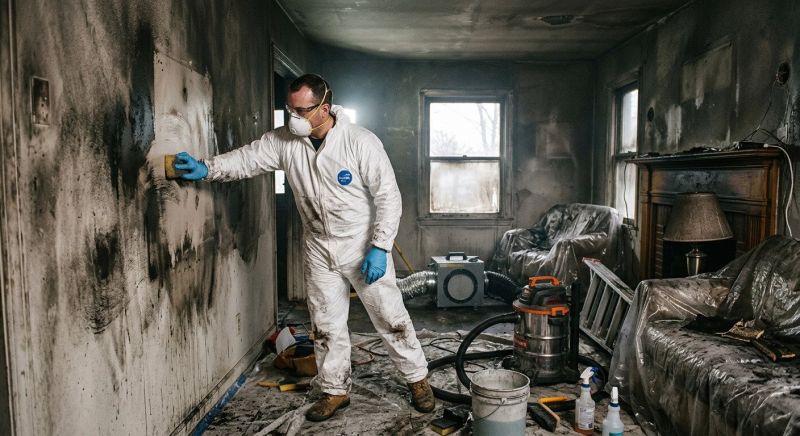
Soot Damage Restoration in Austin, TX
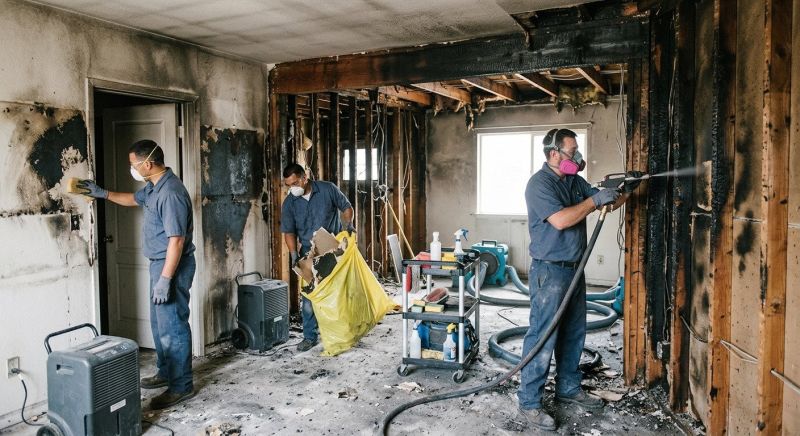
Soot damage restoration services focus on cleaning and repairing properties affected by soot residue resulting from fires, smoke, or other combustion sources. These projects typically involve removing soot from surfaces such as walls, ceilings, furniture, and HVAC systems, as well as addressing lingering odors and preventing further damage. Property owners often want to understand the scope of cleaning needed, the potential for odor removal, and the steps involved in restoring the affected areas to their pre-damage condition.
Homeowners considering soot damage restoration usually inquire about the extent of soot spread, the types of materials that can be cleaned or need replacement, and any necessary precautions to ensure thorough cleaning. It’s important to know what to expect regarding the removal process, the potential need for specialized equipment, and how the restoration will help protect the property’s integrity and indoor air quality. Clear communication about these aspects can help property owners make informed decisions about restoring their homes after fire or smoke incidents.
Many property owners in Austin, TX look into Soot Damage Restoration for repairs, replacements, upgrades, and appearance-related improvements.
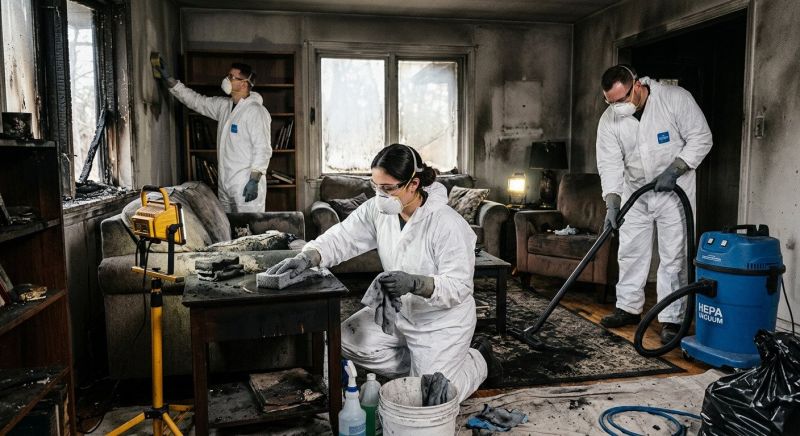
Soot Damage Cleanup
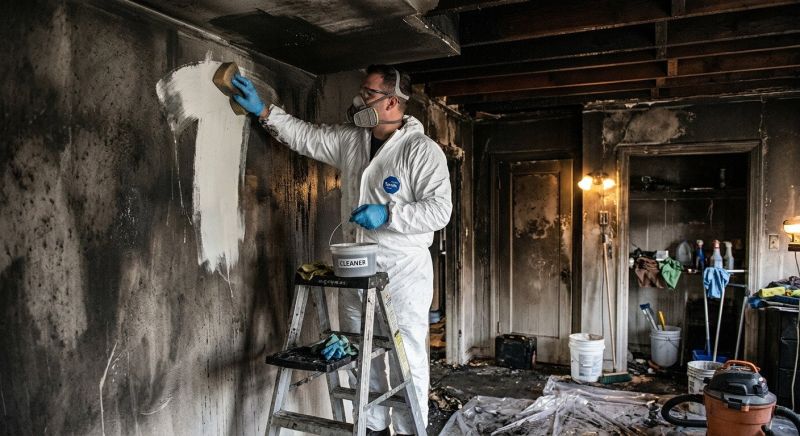
Effective removal of soot residue from walls, ceilings, and surfaces after fire incidents.
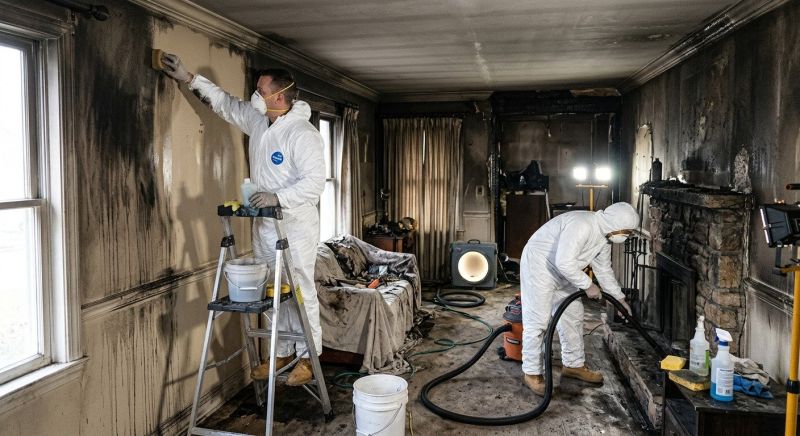
Odor Removal And Air Quality
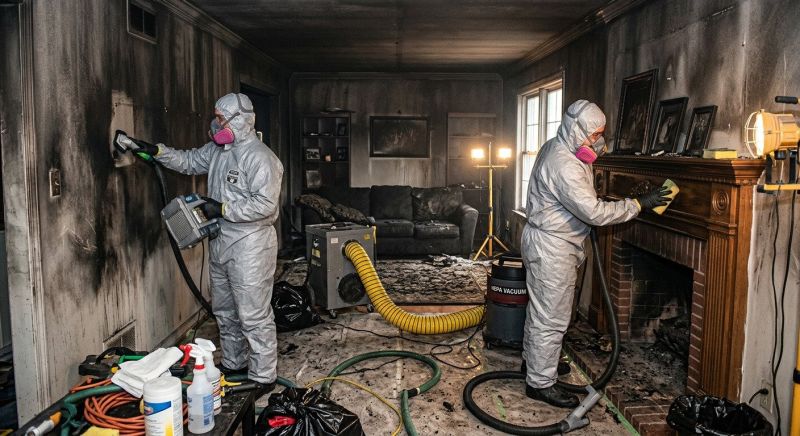
Restoring indoor air quality by eliminating lingering smoke odors caused by soot deposits.
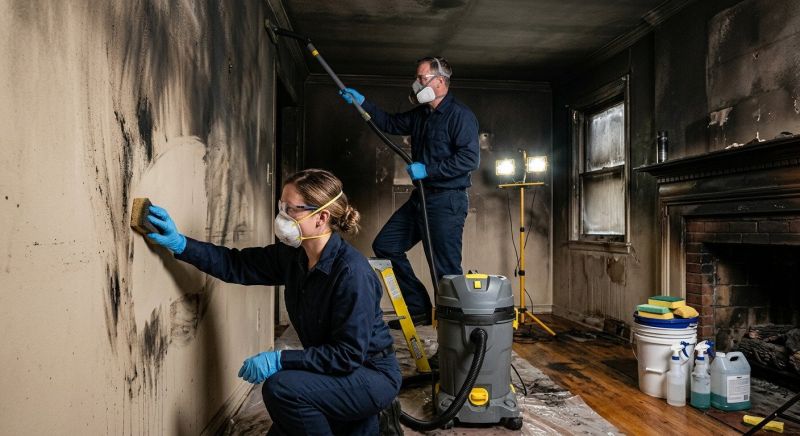
Property Restoration Services
Comprehensive repair and cleaning to restore homes and businesses affected by soot damage.
Soot Damage Restoration in Austin, TX

Soot damage restoration services focus on cleaning and repairing properties affected by soot residue resulting from fires, smoke, or other combustion sources. These projects typically involve removing soot from surfaces such as walls, ceilings, furniture, and HVAC systems, as well as addressing lingering odors and preventing further damage. Property owners often want to understand the scope of cleaning needed, the potential for odor removal, and the steps involved in restoring the affected areas to their pre-damage condition.
Homeowners considering soot damage restoration usually inquire about the extent of soot spread, the types of materials that can be cleaned or need replacement, and any necessary precautions to ensure thorough cleaning. It’s important to know what to expect regarding the removal process, the potential need for specialized equipment, and how the restoration will help protect the property’s integrity and indoor air quality. Clear communication about these aspects can help property owners make informed decisions about restoring their homes after fire or smoke incidents.
Many property owners in Austin, TX look into Soot Damage Restoration for repairs, replacements, upgrades, and appearance-related improvements.
Common Soot Damage Restoration Jobs
Soot Damage Restoration - Restores the appearance and safety of interiors affected by fire and smoke residue.
Soot Cleanup - Removes soot deposits from walls, ceilings, and other surfaces to prevent further damage.
Odor Removal - Eliminates lingering smoke smells to improve indoor air quality.
Surface Cleaning - Uses specialized techniques to clean and restore affected furniture and fixtures.
Structural Restoration - Repairs and restores damaged walls, ceilings, and structural components.
Protective Coatings - Applies sealants to prevent future soot buildup and enhance surface protection.
Soot Damage Restoration Questions
What causes soot damage in homes? Soot damage typically results from smoke from fires, cooking mishaps, or heating appliances, leaving residues on surfaces.
How can soot damage be identified? Soot damage appears as dark, greasy stains on walls, ceilings, and other surfaces, often accompanied by lingering odors.
Is soot damage harmful to health? Yes, soot particles can be irritants and may cause respiratory issues if not properly cleaned and removed.
What surfaces are most affected by soot damage? Porous materials like drywall, ceilings, wood, and fabrics tend to absorb soot more than non-porous surfaces.
Request Soot Damage Restoration in Austin, TX
Use the quote form on this page to share the basics of your project and request more information for the type of work you need.